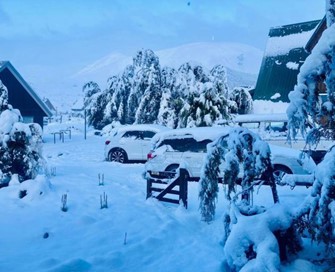
Road closures, power outages and interruptions to telecommunications remain while heavy snowfalls continue across Otago.
20 May 2026
Emergency services are responding to hazardous road conditions, stranded motorists, isolated communities and power outages as local State of Emergency remains in place.
MetService’s Orange Heavy Snow Warning remains active, with widespread snow affecting the entire region. Inland areas over 300 metres above sea level are heavily impacted with snow also falling at sea level. It is expected to continue to fall until 10pm tonight.
Otago Emergency Coordination Centre Controller Jo Gilroy says the event remains serious and people should continue staying off the roads.
Telecommunications networks are operating on backup power in some areas. While there are disruptions in some areas, 111 emergency calls will continue to be prioritised.
“Even if it looks like there is no network connection on your mobile, know that your call will go through to emergency services", Ms Gilroy says.
“This storm event is far from over. Conditions remain dangerous across the region, and we need people to stay home, stay warm and avoid unnecessary travel.”
All state highways in Otago are currently closed with roads across the region remaining icy and hazardous, and stranded vehicles reported on several routes. It is expected that the roads will be affected by this event for days.
Civil Defence and partner agencies are actively monitoring conditions and coordinating support across the region.
While electricity has now been restored in some areas, there are still 5000 properties without power across Otago. Further outages remain possible with the possibility of remote areas experiencing outages for days.
Several communities remain isolated, including parts of the Otago Peninsula, Waitati, Middlemarch and inland areas.
If farmers are working outdoors, they need to let someone know where they are going and when they expect to be back. For help and support, contact Rural Support Trust on 0800 787 254.
Fire and Emergency New Zealand (FENZ) crews are experiencing long delays in response times as they deal with fallen trees and stranded vehicles.
Dunstan Hospital is at capacity and people are asked not to go there.
All flights into Dunedin Airport have been cancelled. Queenstown Airport continues to stay open but only for domestic flights.
Welfare support
A number of districts and communities have set up community emergency hubs or welfare centres to cater for affected people.
Civil Defence teams are also working to locate and assist tourists, back-country trampers and stranded motorists.
People are also asked not to panic-buy supplies.
Though snow conditions may appear appealing, Civil Defence warns the weather event remains dangerous.
Emergency services may not be able to quickly reach people who place themselves at risk in deteriorating conditions.
If travel is unavoidable, drivers should:
• Check weather and road conditions first
• Carry chains, warm clothing, food and water
• Drive slowly and to the conditions
Power outages
• Use torches instead of candles where possible
• Keep warm with extra layers and blankets
• Keep fridge and freezer doors closed
• Charge devices when able
• If you need a fire to stay warm, ensure you are safety-conscious
People relying on powered medical equipment should seek support early if needed.
If safe to do so, check on neighbours, whānau, older people and anyone who may need extra support during the storm.
Fallen powerlines
Stay well clear of fallen or damaged powerlines — always treat them as live. Stay at least 10 metres away, never move trees or debris touching lines, and report hazards to your power company or 111 if there is immediate danger. If a powerline falls onto your vehicle, stay inside and call 111.
For official updates:
• Follow Otago Civil Defence Emergency Management channels
• Listen to local radio stations
• Check MetService for weather updates
• Call 111 in an emergency